
Speed & Agility Training for Athletes
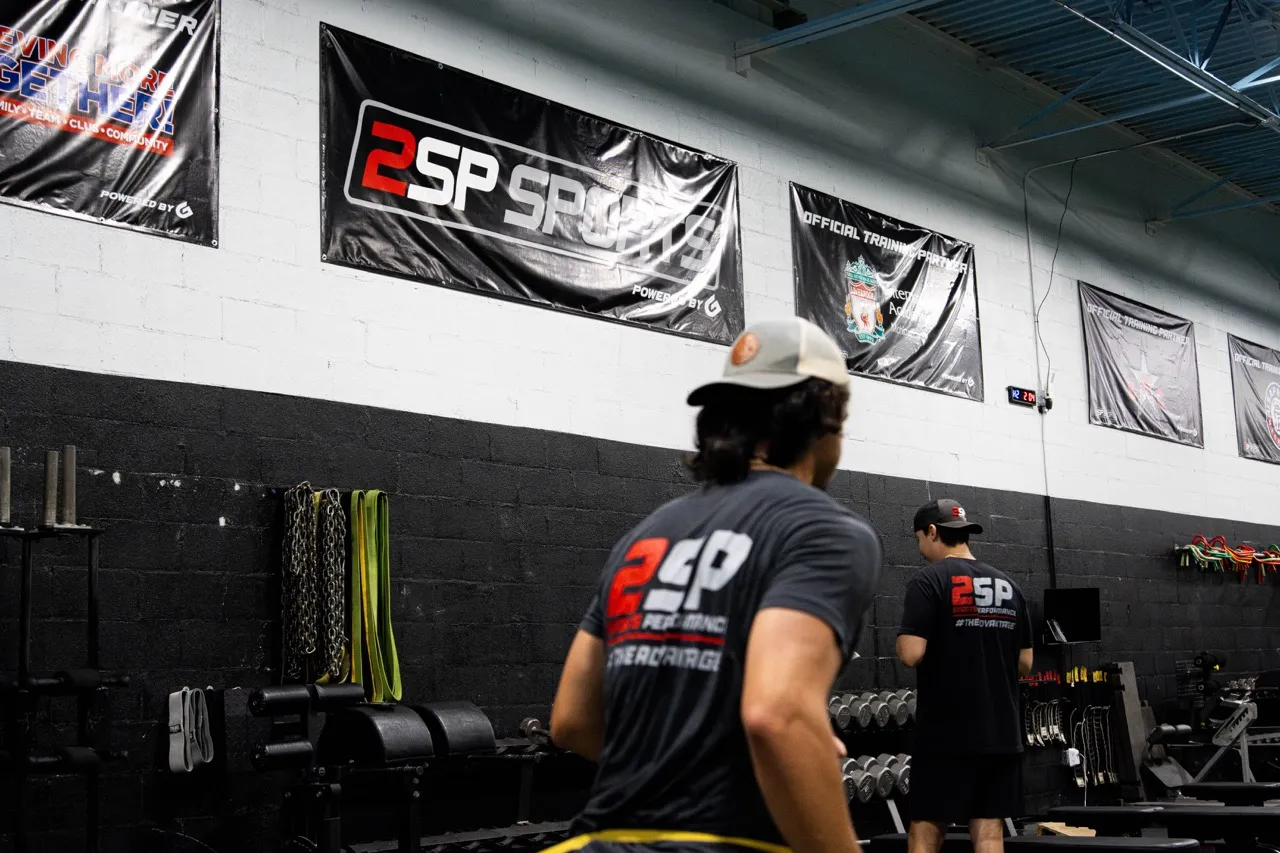
“Training at 2SP completely changed how I move and compete on the field. I’m faster, stronger, and way more confident because the coaches actually explain why we’re doing what we’re doing.
-ep.webp)
Purposeful Training That Shows Up in Games.
Our performance training system focuses on movement quality first, then layers in strength, speed, and power.
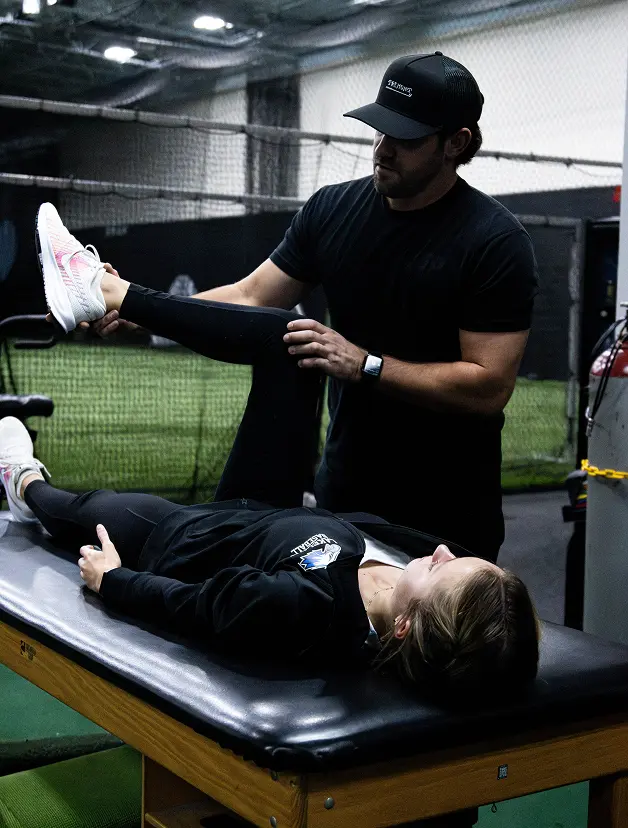
Start with a Free Performance Assessment
This program is not as in depth as performance training which is for 14 and up. think building a foundation for athletes to grow into the gym and S&C so this section i feel needs to be rethought out
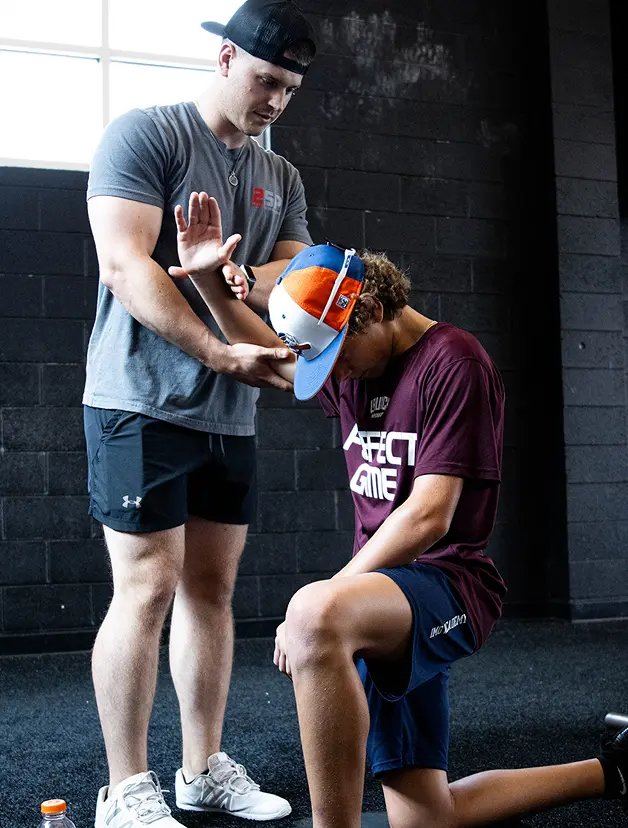
Train with a Dedicated Coach
After the assessment, you’re paired with a coach who works with you every session—every set, every rep. Programs are progressed and updated regularly based on how you’re responding to training, ensuring consistent improvement without unnecessary risk.
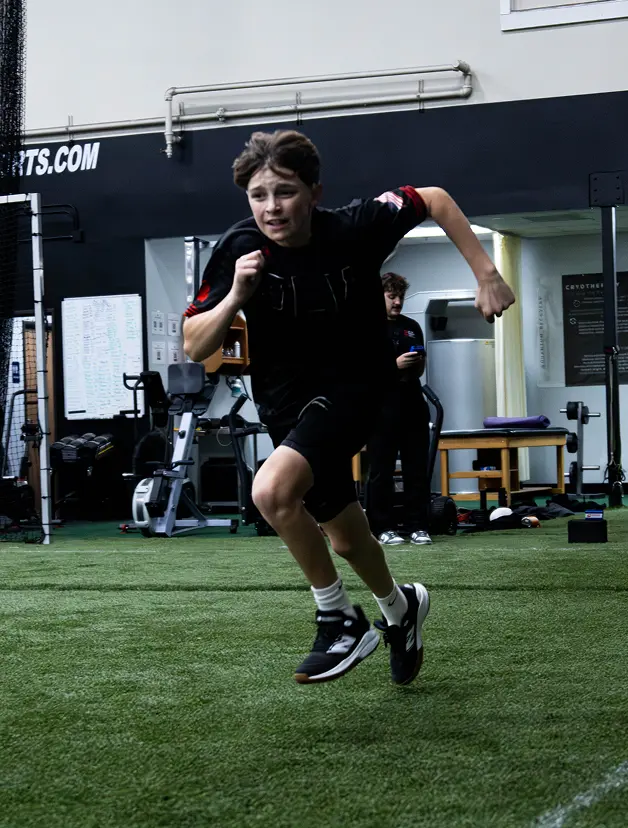
Smarter Progress, Not Random Workouts
Training phases are structured to build on one another, developing strength, speed, and resilience over time. The goal is simple: help you move better, perform better, and stay healthy while doing it.
Our Philosophy
Speed is a skill, not a gift. At 2SP, athletes build it through coached mechanics and progressive overload, not random sprints and cone drills.
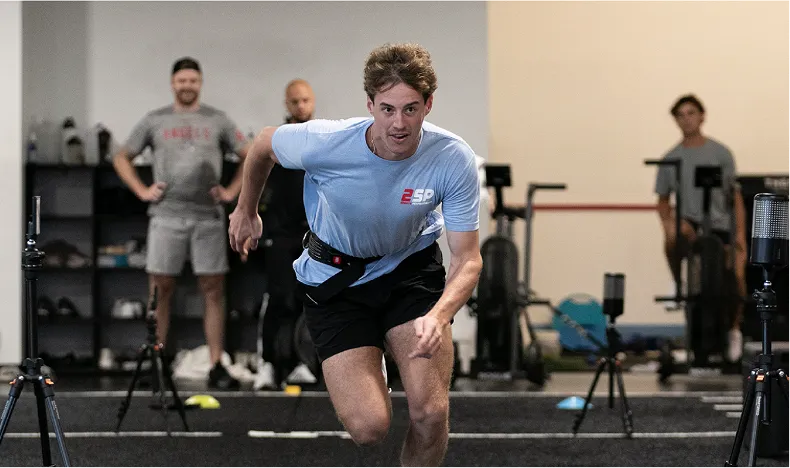
Mechanics First
Athletes are taught how to accelerate, decelerate, and change direction efficiently. Better movement patterns produce faster, more repeatable speed on the field.
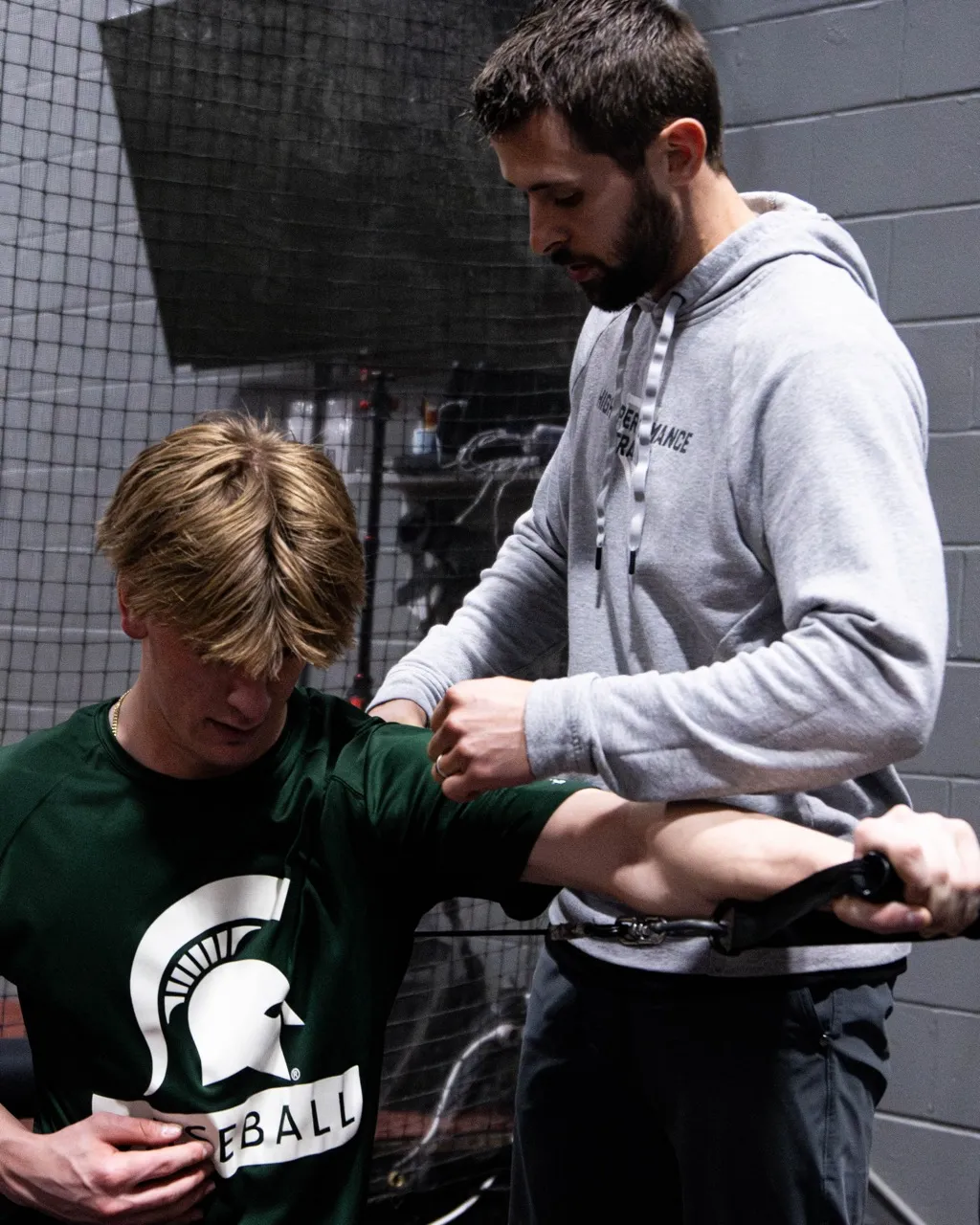
Force and Power
Speed comes from how much force an athlete can apply and how quickly they apply it. Training targets the strength and explosiveness behind every stride and cut.
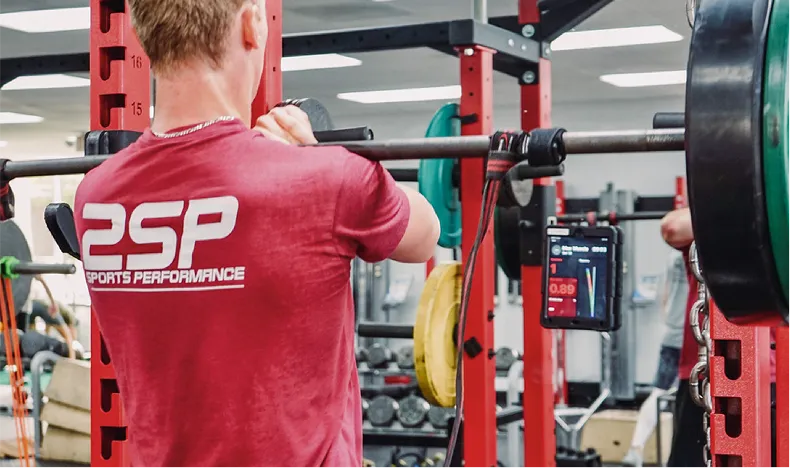
Built to Transfer
Drills are chosen to carry over to real sport situations, improving game speed while reducing the soft-tissue injuries that come from poor movement.
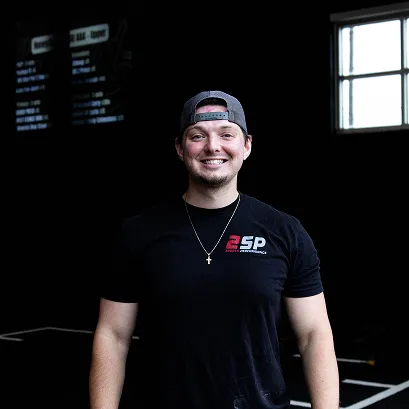
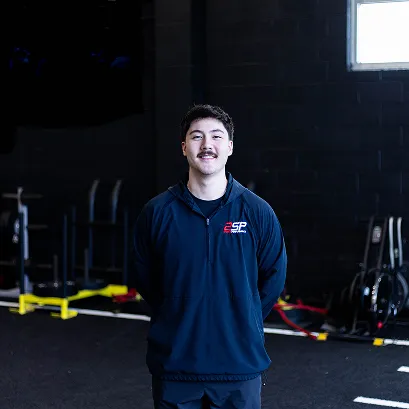
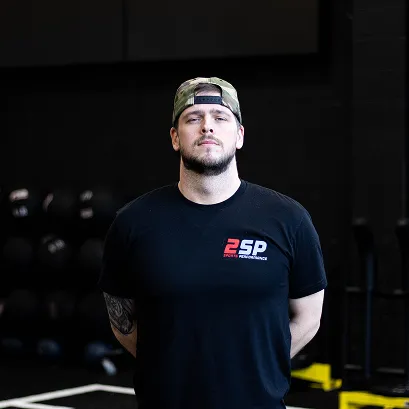
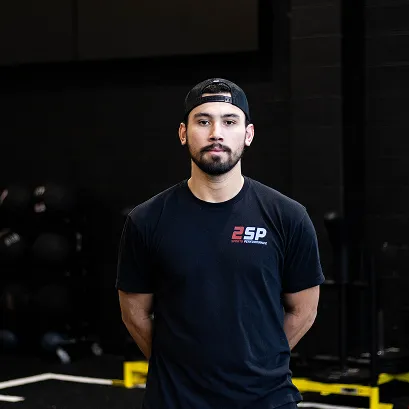
meet our
performance trainers
The 2sp training library
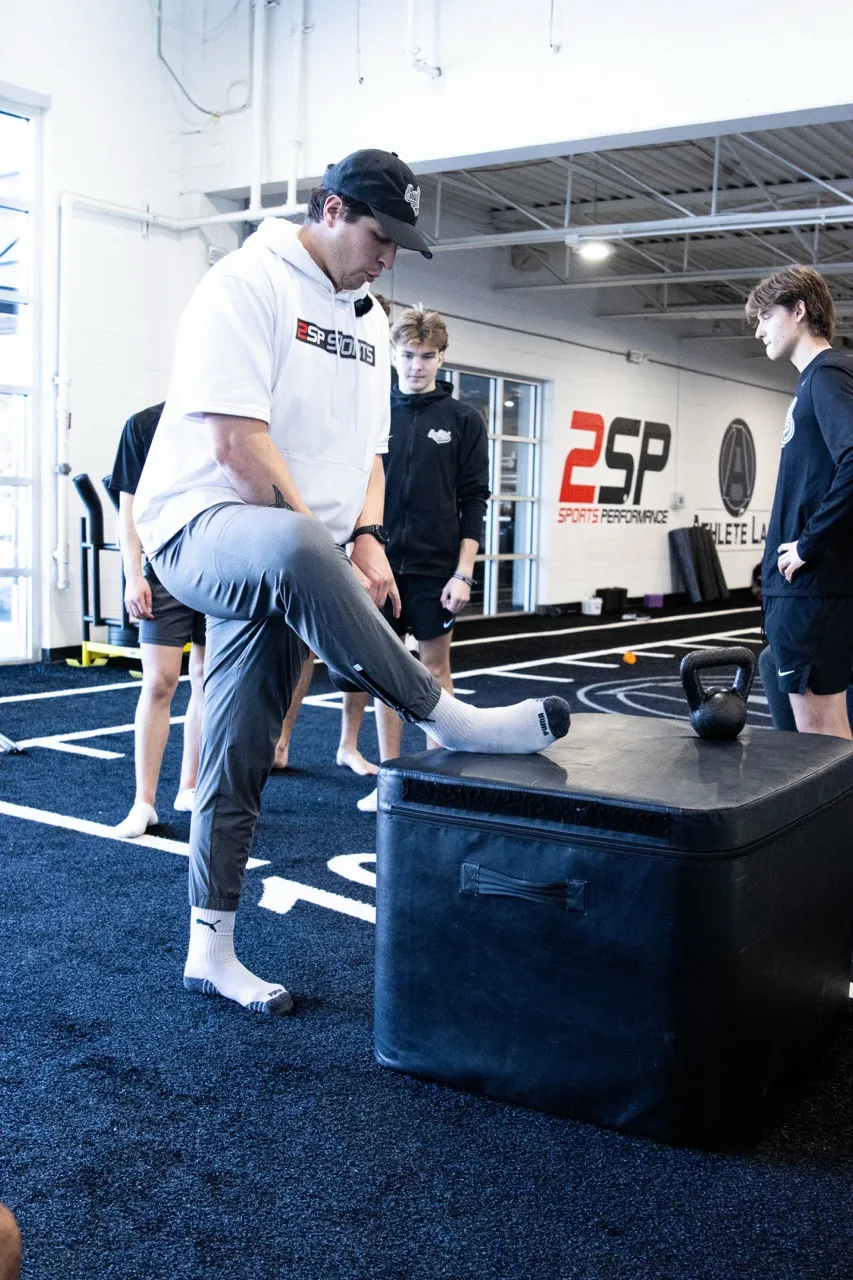
Sports Performance Training in Michigan: What Athletes and Parents Should Look For
Learn what separates effective sports performance training in Michigan—from individualized programming and qualified coaching to strength, speed, testing, and long-term athlete development.
Choosing a sports performance training program is an important decision for an athlete and their family. The right environment should do more than deliver a difficult workout—it should provide a clear development plan that helps the athlete move better, build usable strength, improve speed, and stay healthy through the demands of practice and competition.
For families comparing sports performance training in Michigan, the best question is not simply, “How hard is the workout?” A better question is, “How does this program help the athlete improve over time?”
Look for training built around the individual athlete
Athletes may train alongside teammates or peers, but their programming should still reflect their age, experience, sport, goals, and current abilities. A middle-school athlete learning fundamental movement patterns needs a different progression than a college athlete preparing for a competitive season.
At 2SP Sports Performance, athletes follow structured progressions rather than random daily workouts. Coaches adjust exercises, volume, and intensity so athletes can develop inside a group environment without being forced into a one-size-fits-all plan.
Strength, speed, and movement should work together
Sports rarely require one physical quality in isolation. Athletes must accelerate, decelerate, change direction, produce force, absorb force, and repeat those efforts under fatigue. Effective sports performance training connects these qualities instead of treating them as unrelated skills.
- Strength training creates the force-producing base behind sprinting, jumping, contact, and durability.
- Speed and agility training improves acceleration, mechanics, change of direction, and efficient movement.
- Movement training helps athletes control positions, absorb force, and perform skills with consistency.
- Conditioning prepares athletes to repeat high-quality efforts at the pace their sport demands.
Explore 2SP’s strength and performance training, speed and agility training, and team training options to see how those qualities fit into a complete athlete-development system.
Qualified coaching matters more than equipment
A facility may have racks, turf, timing systems, and other technology, but equipment alone does not create results. Coaches must know how to teach movement, select appropriate progressions, communicate clearly, and adjust training when an athlete is fatigued, inexperienced, returning from injury, or moving poorly.
Strong coaching is visible in the details: athletes understand the purpose of the exercise, technique is corrected, progressions are earned, and training decisions can be explained. The goal is not to make every athlete perform the same exercise—it is to give each athlete the right challenge.
Progress should be measured, not guessed
Testing and technology can help coaches understand how an athlete is responding to training. Timing systems, movement assessments, force data, and strength benchmarks provide useful information when they lead to better programming decisions.
Measurement should support coaching rather than replace it. The most useful testing identifies priorities, establishes a baseline, and shows whether the training plan is producing meaningful progress.
The program should support long-term development
Short-term improvements matter, but a good training system also prepares athletes for the next season and the next level. That means building movement competency, technical strength, healthy training habits, and confidence—not constantly chasing fatigue or personal records.
For developing athletes, 2SP Foundations establishes that base before training becomes more complex. More experienced athletes can progress into increasingly individualized strength, speed, power, and sport-specific preparation.
Find sports performance training near you
Consistency is one of the strongest predictors of progress, so location and schedule also matter. 2SP serves athletes through multiple sports performance training locations in Michigan, making it easier for families, teams, and competitive athletes to find qualified coaching close to home.
If you are evaluating a program, start by meeting the coaches and understanding how they assess, place, and progress athletes. Schedule a free assessment with 2SP to discuss your goals and identify the right starting point.
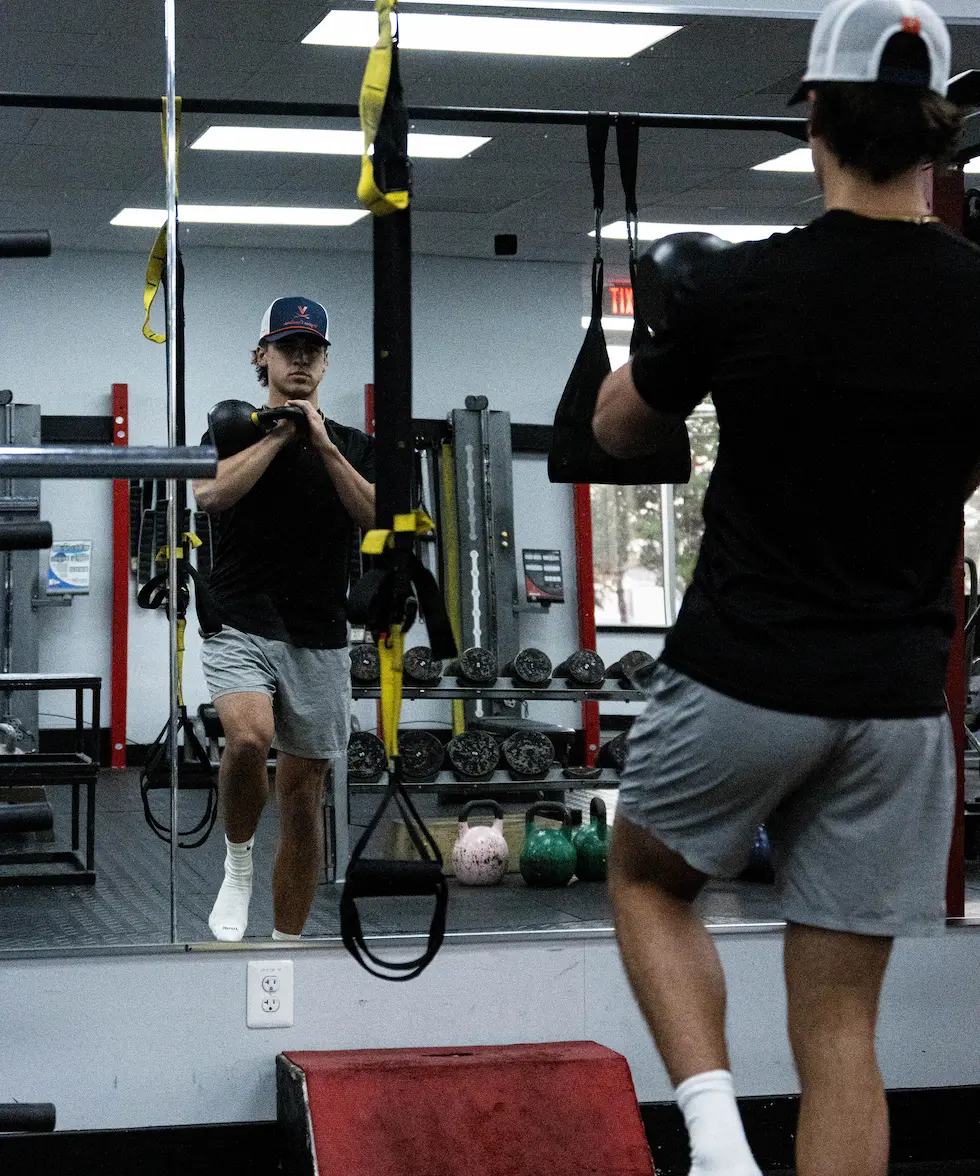
Strength and Performance Training for Athletes: Building Power, Speed, and Durability
Discover how structured strength and performance training helps athletes build power, improve speed, reduce injury risk, and perform consistently across a long competitive season.
Strength and performance training gives athletes the physical tools to express their sport skills at a higher level. When it is coached and programmed correctly, strength work is not separate from speed, power, agility, or injury reduction—it supports all of them.
The goal is not to turn every athlete into a competitive weightlifter. The goal is to help athletes produce force, control their bodies, tolerate the demands of their sport, and repeat high-quality efforts throughout a season.
Why strength matters for athletic performance
Running, jumping, throwing, checking, cutting, and changing direction all require athletes to create and absorb force. An athlete who becomes stronger in useful positions has a larger foundation for developing speed and power.
Strength also supports durability. Practices and games create repeated stress on muscles, tendons, and joints. Progressive resistance training helps prepare the body for those forces, especially when exercises are selected around the athlete’s sport, movement quality, and training history.
Performance training is more than lifting weights
A complete program connects the weight room to movement on the field, court, turf, or ice. At 2SP, strength and performance training may include:
- Foundational movement patterns such as squatting, hinging, pushing, pulling, bracing, and carrying
- Single-leg strength and stability for sprinting, cutting, and landing
- Jumping, medicine-ball work, and other power-focused exercises
- Acceleration, deceleration, and change-of-direction mechanics
- Mobility and movement preparation based on the athlete’s needs
- Conditioning that reflects the work-to-rest demands of the sport
Each quality has a purpose. Exercises are selected because they support an athlete’s development, not because they look difficult or create the most fatigue.
Technique comes before load
Athletes earn the right to add weight by demonstrating control and consistency. Loading poor mechanics may produce short-term numbers, but it does not create a reliable base for long-term performance.
Good coaching teaches athletes what position they should feel, how to create tension, and how to repeat the movement under gradually increasing demand. As technique becomes stable, resistance and complexity can increase.
Progressive overload should be planned
Athletes improve when training becomes more challenging over time, but more is not always better. Load, volume, exercise complexity, movement speed, and rest periods can all be progressed. The right progression depends on the athlete’s experience and where they are in the competitive calendar.
During the offseason, training may emphasize building strength and capacity. As competition approaches, the program can shift toward speed, power, and sport-specific readiness. In season, the priority becomes maintaining important physical qualities while managing fatigue.
Individualized programming works inside a group
Athletes benefit from the energy and accountability of training with others, but their program should still be individualized. Two athletes in the same session may use different loads, exercises, ranges of motion, or progressions.
This approach allows each athlete to train at the appropriate level while remaining part of a strong coaching environment. It also creates a clear path from 2SP Foundations into more advanced strength and performance training.
How strength supports speed
Speed depends partly on how much force an athlete can apply to the ground and how quickly that force is produced. Strength training expands the athlete’s force-producing capacity, while sprinting, jumping, and explosive exercises teach the athlete to express it quickly.
That is why strength and speed and agility training should complement each other. Stronger athletes still need quality sprint mechanics, and fast athletes still need the strength to maintain positions, decelerate, and withstand repeated effort.
Start with an assessment and a clear plan
The best program begins with an understanding of the athlete’s goals, movement, training history, and competitive schedule. From there, coaches can establish priorities and build a progression that is challenging without skipping essential steps.
2SP provides athlete-centered sports performance training at multiple Michigan locations. Schedule a free assessment to identify the right training plan for your athlete.
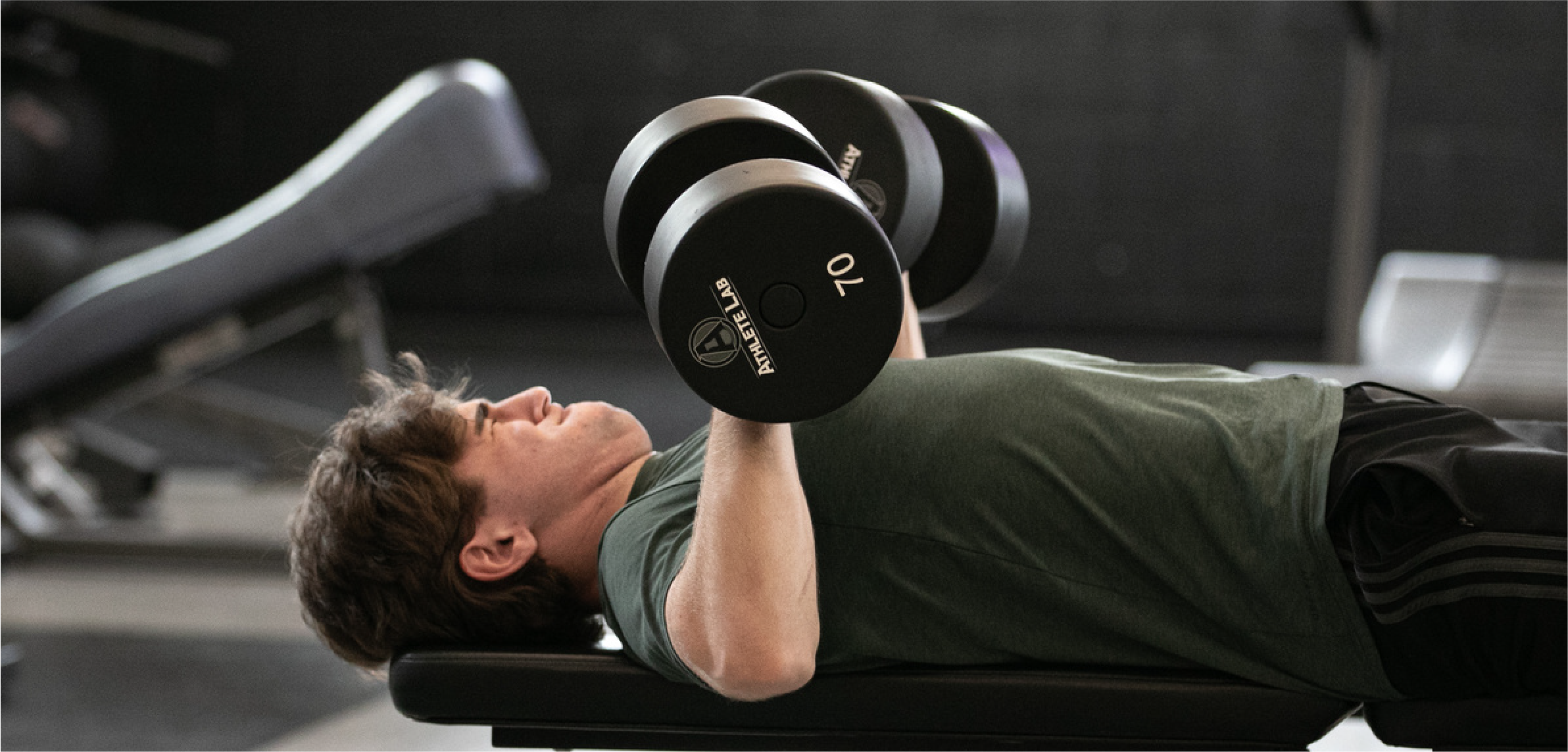
Youth Strength Training: How 2SP Foundations Builds Better Athletes
Learn how age-appropriate youth strength training builds movement quality, confidence, coordination, and durable habits through the 2SP Foundations program.
Youth strength training is often misunderstood. A well-designed program is not about asking young athletes to lift the most weight or train like adults. It is about teaching movement, coordination, body control, foundational strength, and positive habits in a safe coaching environment.
Those qualities support nearly every sport. They also give developing athletes the confidence and physical foundation needed for more advanced training later.
What youth strength training should look like
Young athletes should learn how to control their bodies before exercises become heavily loaded or complex. Training begins with clear instruction and age-appropriate progressions built around essential athletic movements.
- Squatting and hinging with good posture and control
- Pushing, pulling, carrying, and bracing
- Running, skipping, jumping, landing, and changing direction
- Single-leg balance and coordination
- Listening, following instructions, and working consistently
Bodyweight exercises, medicine balls, bands, light resistance, sleds, and other tools may all be appropriate when coaches match them to the athlete’s ability and readiness.
Why movement quality comes first
Developing athletes are constantly adapting to growth, new sport skills, and changing coordination. Teaching strong movement patterns gives them repeatable positions they can use in training and competition.
Movement quality does not mean every athlete must look identical. It means the athlete can control the exercise, understand the coaching cue, and complete the movement without relying on compensations that limit progress.
Strength helps young athletes handle sport demands
Even before formal training, youth sports expose athletes to sprinting, jumping, contact, throwing, and repeated changes of direction. Strength training prepares the body to manage those forces more effectively.
A stronger athlete may be better equipped to accelerate, stop, maintain balance, and absorb landing forces. Strength also gives coaches more options for developing speed and power as the athlete matures.
Confidence is a meaningful training outcome
Young athletes gain confidence when they learn a new skill, receive clear feedback, and see themselves improve. A structured training environment gives them achievable challenges and a way to measure progress beyond wins, losses, or playing time.
This confidence can carry into practice and competition. Athletes become more comfortable receiving coaching, working through difficult tasks, and taking ownership of their preparation.
Progression should be earned, not rushed
Good youth training programs do not progress athletes based only on age. Coaches consider movement competency, attention, consistency, and training experience. Some athletes may be ready for additional resistance, while others benefit from more time practicing the fundamentals.
At 2SP Foundations, athletes build movement quality and technical consistency before advancing to more demanding strength and performance work. That creates a smoother transition into long-term athlete development.
Youth training should support—not replace—sport
Sports practice teaches athletes the technical and tactical skills of the game. Performance training supports those skills by developing the physical qualities needed to express them.
The best schedule balances practices, games, training, school, sleep, and recovery. More activity is not automatically better. Coaches and parents should consider the athlete’s total workload, especially during busy competitive seasons.
What parents should ask a youth training program
Before enrolling an athlete, parents should understand how the program approaches coaching and progression. Helpful questions include:
- How are athletes assessed and placed into the right training level?
- How do coaches modify exercises for different abilities?
- What does progress look like beyond adding weight?
- How does training change during the athlete’s competitive season?
- How are technique and safety coached during group sessions?
Build a foundation for long-term development
Youth strength training should leave athletes more capable, confident, and prepared for what comes next. When the focus stays on movement, progressive strength, and consistent habits, training becomes an investment in long-term athletic development.
2SP offers youth and athlete development programs across multiple Michigan sports performance locations. Schedule a free assessment to find the right starting point for your athlete.
what our athletes say
-ep.webp)
2SP has helped me improve my athleticism and fitness to compete at the highest level. Beyond the challenging programming, they've helped me become a more well-rounded professional by teaching me how to take better care of my body. There are no coaches more dedicated in the field.
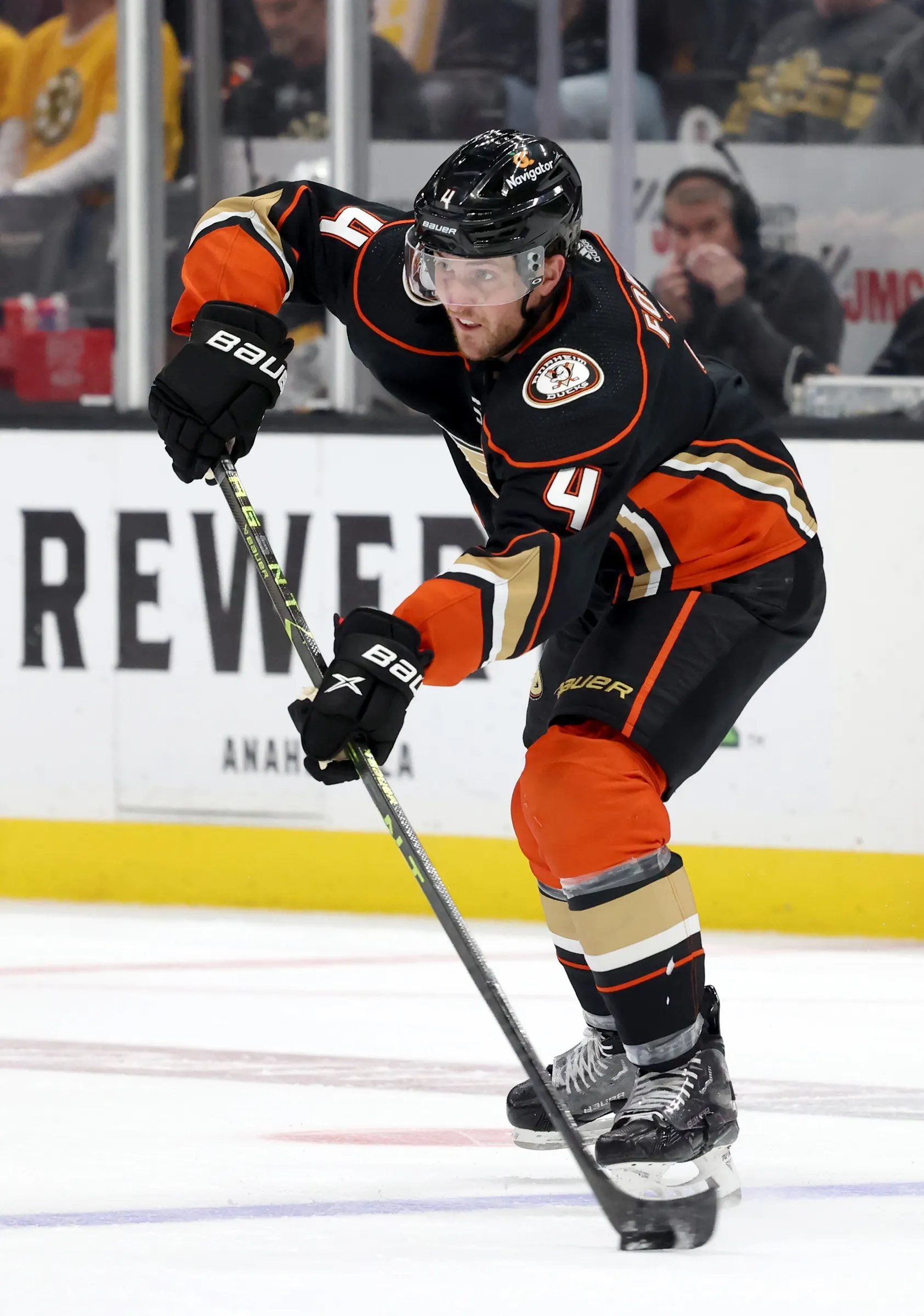
2SP understands exactly what exercises I need to strengthen my body in the off-season. They're also instrumental in helping in-season injuries heal through the proper exercises and recovery techniques. I'm always ready to go for my upcoming season because of their program.
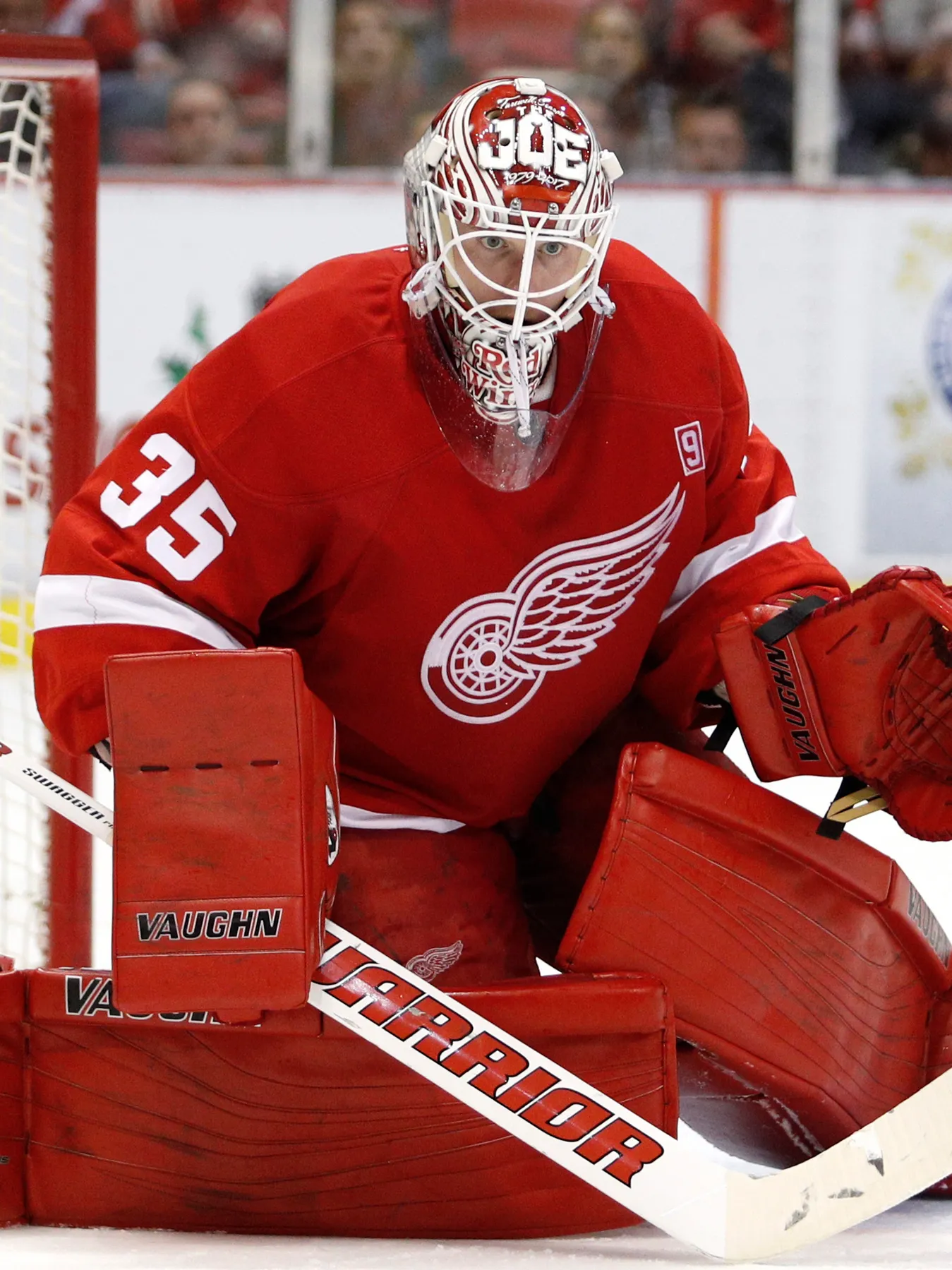
I have been training with 2SP since the 2011 season. Through my career I've had to deal with some body-related issues, and 2SP has seen me through 3 contracts and 3 All-Star appearances. It's the most comprehensive training atmosphere in the business.

I trust my guys with 2SP. I love how detail-oriented they are with each athlete. They truly understand the techniques that improve a player's strength, speed, and conditioning, and their on-ice performance improves with the training.
2SP has helped me improve my athleticism and fitness to compete at the highest level. Beyond the challenging programming, they've helped me become a more well-rounded professional by teaching me how to take better care of my body. There are no coaches more dedicated in the field.
This is my sixth summer training with 2SP and I couldn't be happier with where I'm at. They helped develop me at a young age, and their training is a little different every summer because they're always finding new ways to set their athletes up to be in the best shape before the season.