Strength and performance training gives athletes the physical tools to express their sport skills at a higher level. When it is coached and programmed correctly, strength work is not separate from speed, power, agility, or injury reduction—it supports all of them.
The goal is not to turn every athlete into a competitive weightlifter. The goal is to help athletes produce force, control their bodies, tolerate the demands of their sport, and repeat high-quality efforts throughout a season.
Why strength matters for athletic performance
Running, jumping, throwing, checking, cutting, and changing direction all require athletes to create and absorb force. An athlete who becomes stronger in useful positions has a larger foundation for developing speed and power.
Strength also supports durability. Practices and games create repeated stress on muscles, tendons, and joints. Progressive resistance training helps prepare the body for those forces, especially when exercises are selected around the athlete’s sport, movement quality, and training history.
Performance training is more than lifting weights
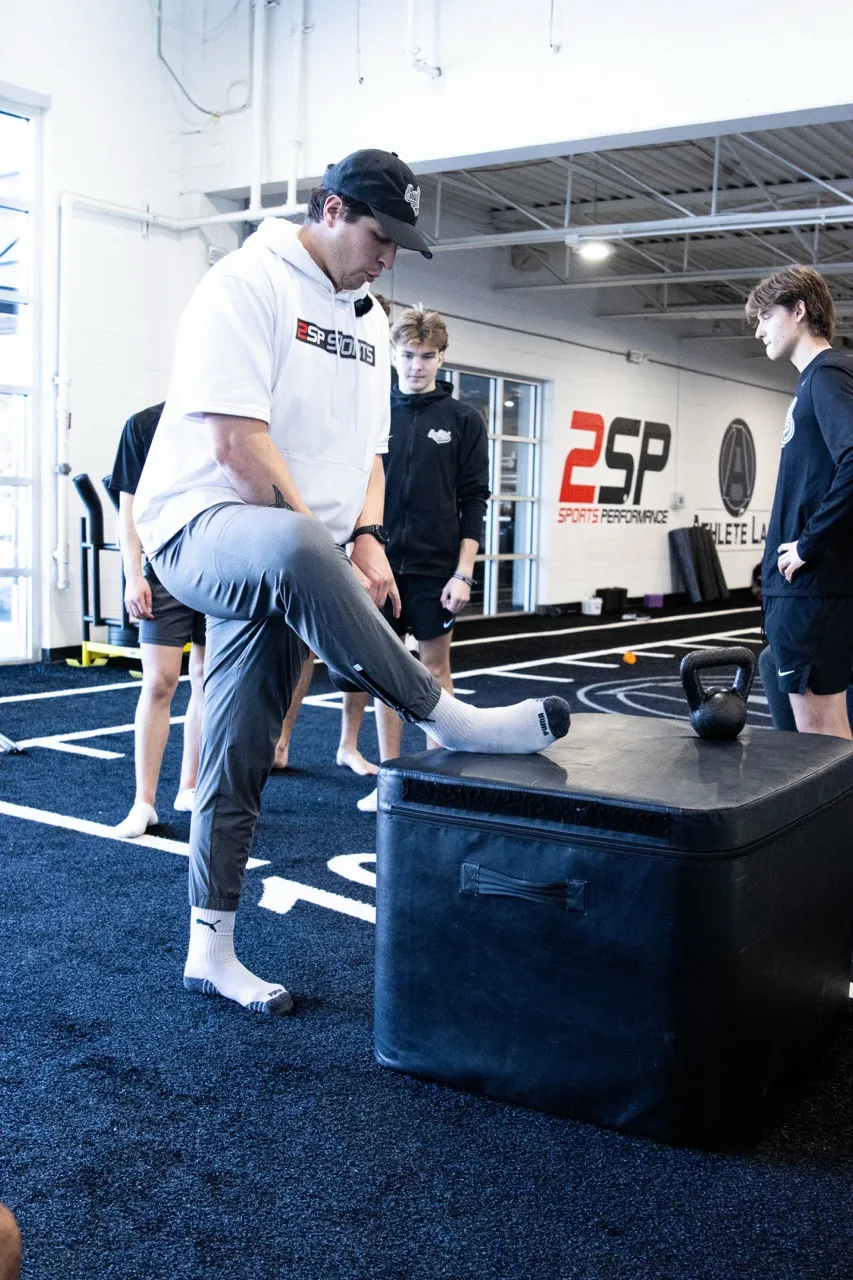
A complete program connects the weight room to movement on the field, court, turf, or ice. At 2SP, strength and performance training may include:
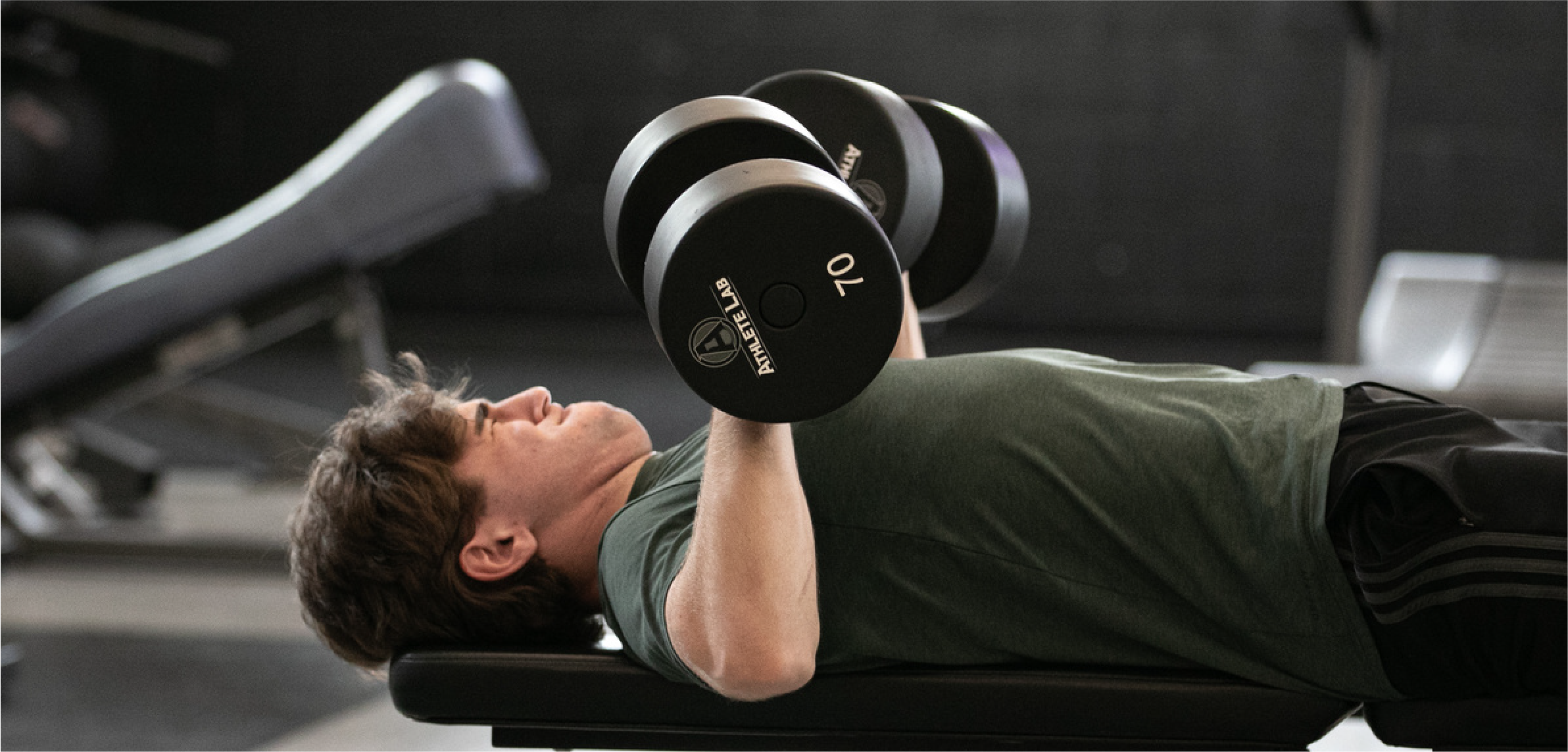
- Foundational movement patterns such as squatting, hinging, pushing, pulling, bracing, and carrying
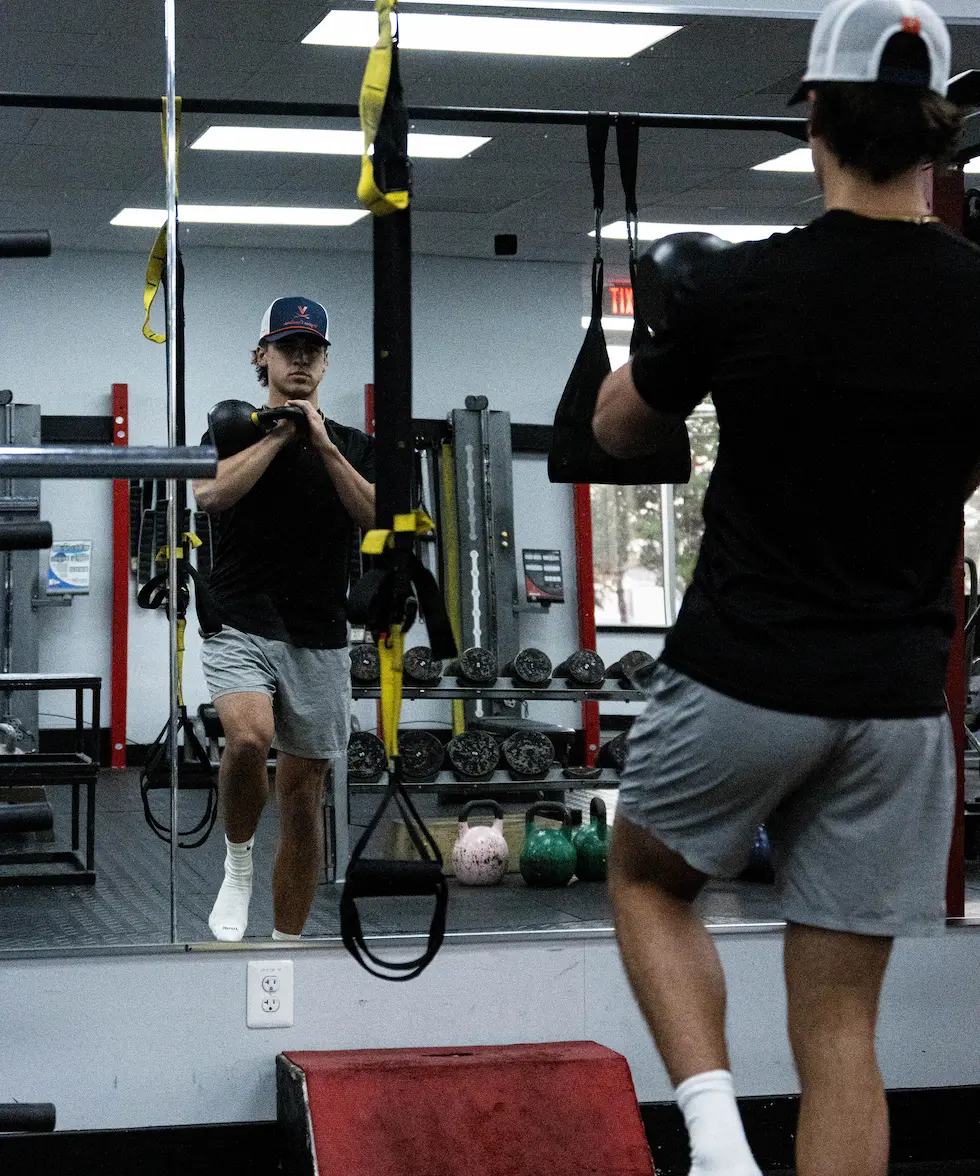
- Single-leg strength and stability for sprinting, cutting, and landing
- Jumping, medicine-ball work, and other power-focused exercises
- Acceleration, deceleration, and change-of-direction mechanics
- Mobility and movement preparation based on the athlete’s needs
- Conditioning that reflects the work-to-rest demands of the sport
Each quality has a purpose. Exercises are selected because they support an athlete’s development, not because they look difficult or create the most fatigue.
Technique comes before load
Athletes earn the right to add weight by demonstrating control and consistency. Loading poor mechanics may produce short-term numbers, but it does not create a reliable base for long-term performance.
Good coaching teaches athletes what position they should feel, how to create tension, and how to repeat the movement under gradually increasing demand. As technique becomes stable, resistance and complexity can increase.
Progressive overload should be planned
Athletes improve when training becomes more challenging over time, but more is not always better. Load, volume, exercise complexity, movement speed, and rest periods can all be progressed. The right progression depends on the athlete’s experience and where they are in the competitive calendar.
During the offseason, training may emphasize building strength and capacity. As competition approaches, the program can shift toward speed, power, and sport-specific readiness. In season, the priority becomes maintaining important physical qualities while managing fatigue.
Individualized programming works inside a group
Athletes benefit from the energy and accountability of training with others, but their program should still be individualized. Two athletes in the same session may use different loads, exercises, ranges of motion, or progressions.
This approach allows each athlete to train at the appropriate level while remaining part of a strong coaching environment. It also creates a clear path from 2SP Foundations into more advanced strength and performance training.
How strength supports speed
Speed depends partly on how much force an athlete can apply to the ground and how quickly that force is produced. Strength training expands the athlete’s force-producing capacity, while sprinting, jumping, and explosive exercises teach the athlete to express it quickly.
That is why strength and speed and agility training should complement each other. Stronger athletes still need quality sprint mechanics, and fast athletes still need the strength to maintain positions, decelerate, and withstand repeated effort.
Start with an assessment and a clear plan
The best program begins with an understanding of the athlete’s goals, movement, training history, and competitive schedule. From there, coaches can establish priorities and build a progression that is challenging without skipping essential steps.
2SP provides athlete-centered sports performance training at multiple Michigan locations. Schedule a free assessment to identify the right training plan for your athlete.