Choosing a sports performance training program is an important decision for an athlete and their family. The right environment should do more than deliver a difficult workout—it should provide a clear development plan that helps the athlete move better, build usable strength, improve speed, and stay healthy through the demands of practice and competition.
For families comparing sports performance training in Michigan, the best question is not simply, “How hard is the workout?” A better question is, “How does this program help the athlete improve over time?”
Look for training built around the individual athlete
Athletes may train alongside teammates or peers, but their programming should still reflect their age, experience, sport, goals, and current abilities. A middle-school athlete learning fundamental movement patterns needs a different progression than a college athlete preparing for a competitive season.
At 2SP Sports Performance, athletes follow structured progressions rather than random daily workouts. Coaches adjust exercises, volume, and intensity so athletes can develop inside a group environment without being forced into a one-size-fits-all plan.
Strength, speed, and movement should work together
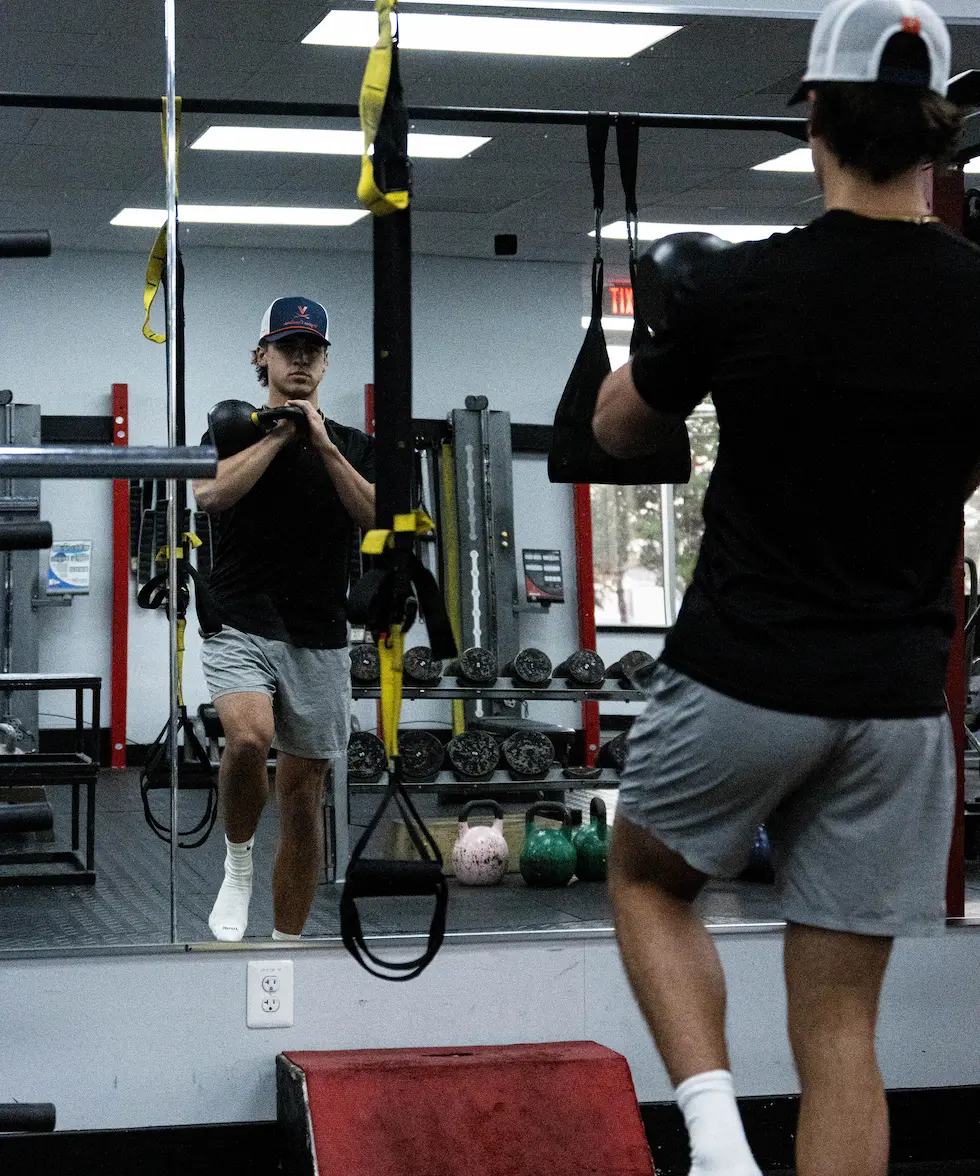
Sports rarely require one physical quality in isolation. Athletes must accelerate, decelerate, change direction, produce force, absorb force, and repeat those efforts under fatigue. Effective sports performance training connects these qualities instead of treating them as unrelated skills.
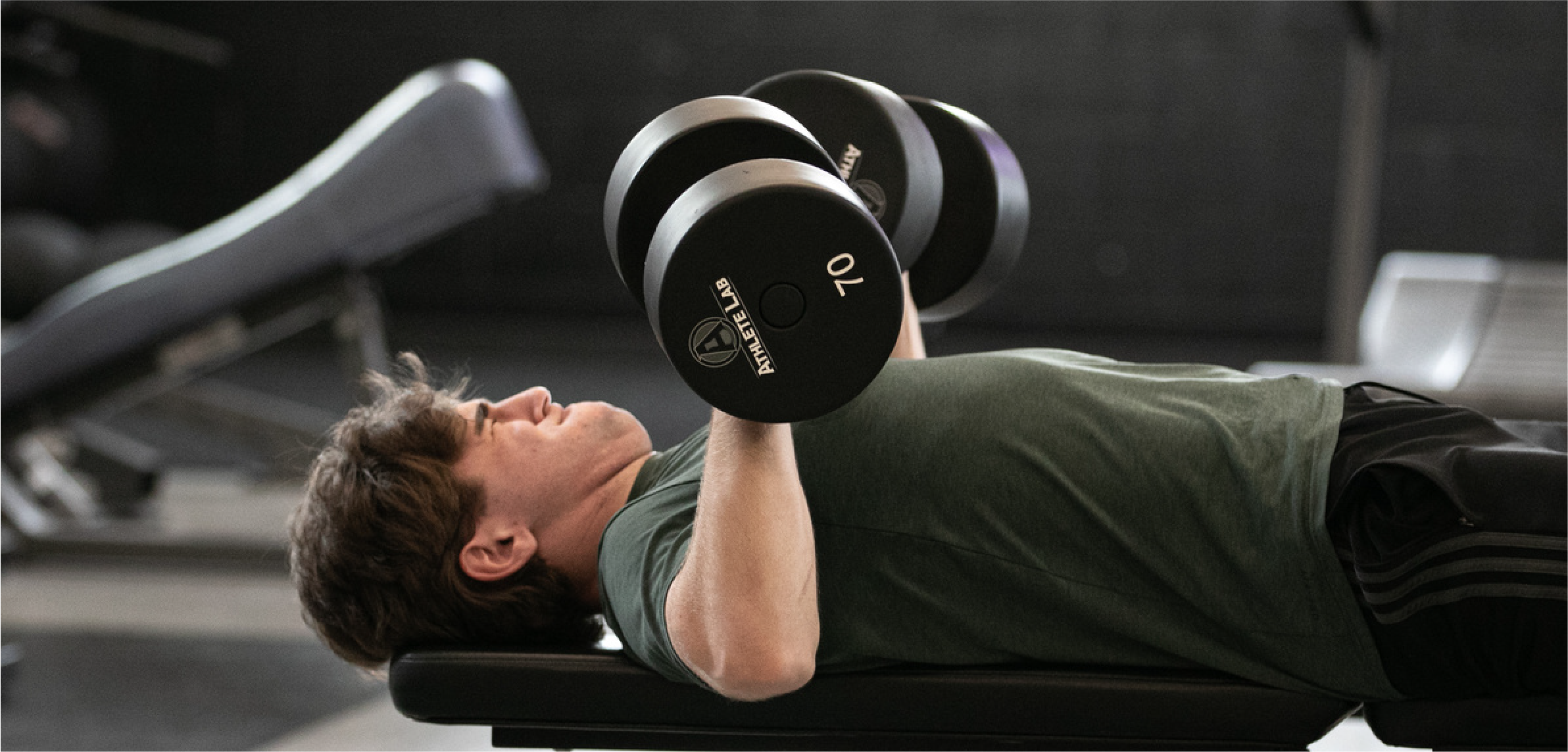
- Strength training creates the force-producing base behind sprinting, jumping, contact, and durability.
- Speed and agility training improves acceleration, mechanics, change of direction, and efficient movement.
- Movement training helps athletes control positions, absorb force, and perform skills with consistency.
- Conditioning prepares athletes to repeat high-quality efforts at the pace their sport demands.
Explore 2SP’s strength and performance training, speed and agility training, and team training options to see how those qualities fit into a complete athlete-development system.
Qualified coaching matters more than equipment
A facility may have racks, turf, timing systems, and other technology, but equipment alone does not create results. Coaches must know how to teach movement, select appropriate progressions, communicate clearly, and adjust training when an athlete is fatigued, inexperienced, returning from injury, or moving poorly.
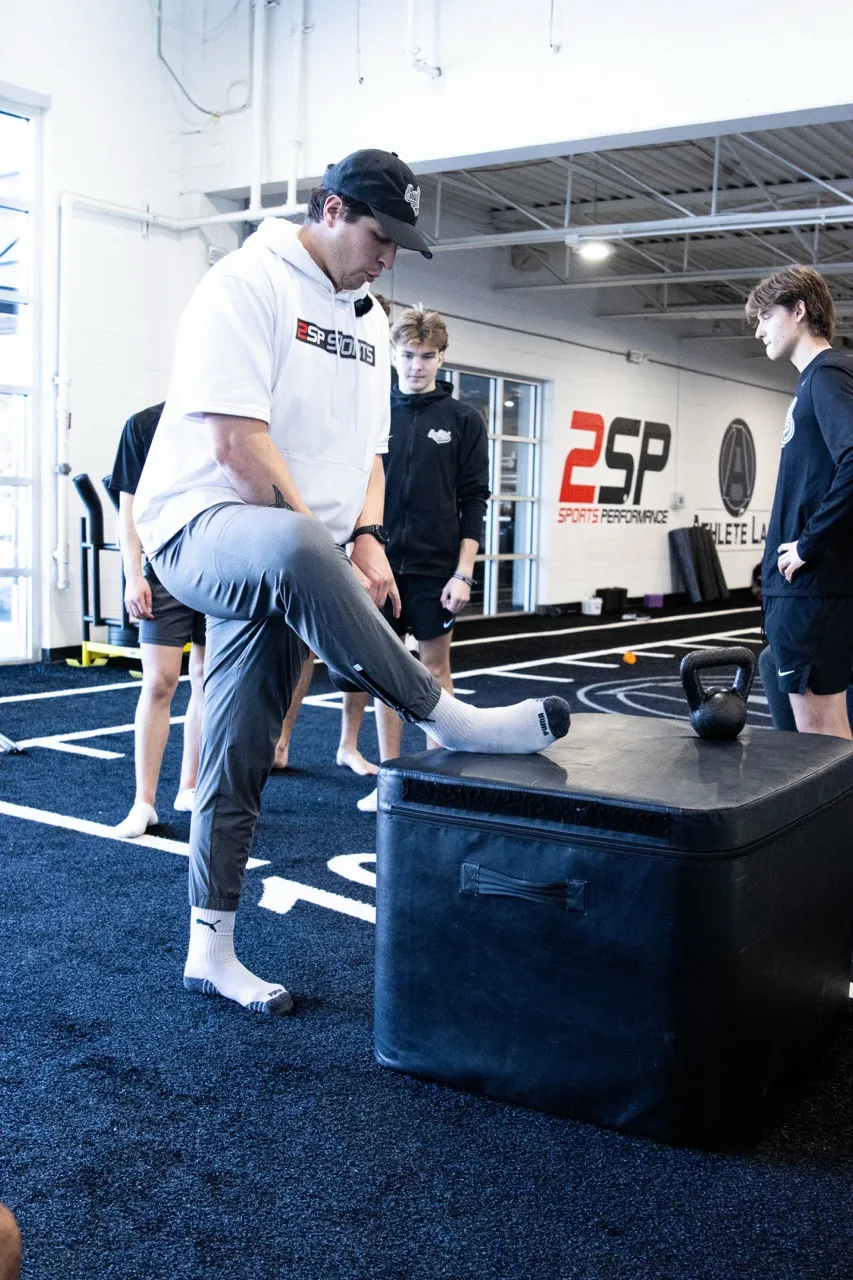
Strong coaching is visible in the details: athletes understand the purpose of the exercise, technique is corrected, progressions are earned, and training decisions can be explained. The goal is not to make every athlete perform the same exercise—it is to give each athlete the right challenge.
Progress should be measured, not guessed
Testing and technology can help coaches understand how an athlete is responding to training. Timing systems, movement assessments, force data, and strength benchmarks provide useful information when they lead to better programming decisions.
Measurement should support coaching rather than replace it. The most useful testing identifies priorities, establishes a baseline, and shows whether the training plan is producing meaningful progress.
The program should support long-term development
Short-term improvements matter, but a good training system also prepares athletes for the next season and the next level. That means building movement competency, technical strength, healthy training habits, and confidence—not constantly chasing fatigue or personal records.
For developing athletes, 2SP Foundations establishes that base before training becomes more complex. More experienced athletes can progress into increasingly individualized strength, speed, power, and sport-specific preparation.
Find sports performance training near you
Consistency is one of the strongest predictors of progress, so location and schedule also matter. 2SP serves athletes through multiple sports performance training locations in Michigan, making it easier for families, teams, and competitive athletes to find qualified coaching close to home.
If you are evaluating a program, start by meeting the coaches and understanding how they assess, place, and progress athletes. Schedule a free assessment with 2SP to discuss your goals and identify the right starting point.