Youth strength training is often misunderstood. A well-designed program is not about asking young athletes to lift the most weight or train like adults. It is about teaching movement, coordination, body control, foundational strength, and positive habits in a safe coaching environment.
Those qualities support nearly every sport. They also give developing athletes the confidence and physical foundation needed for more advanced training later.
What youth strength training should look like
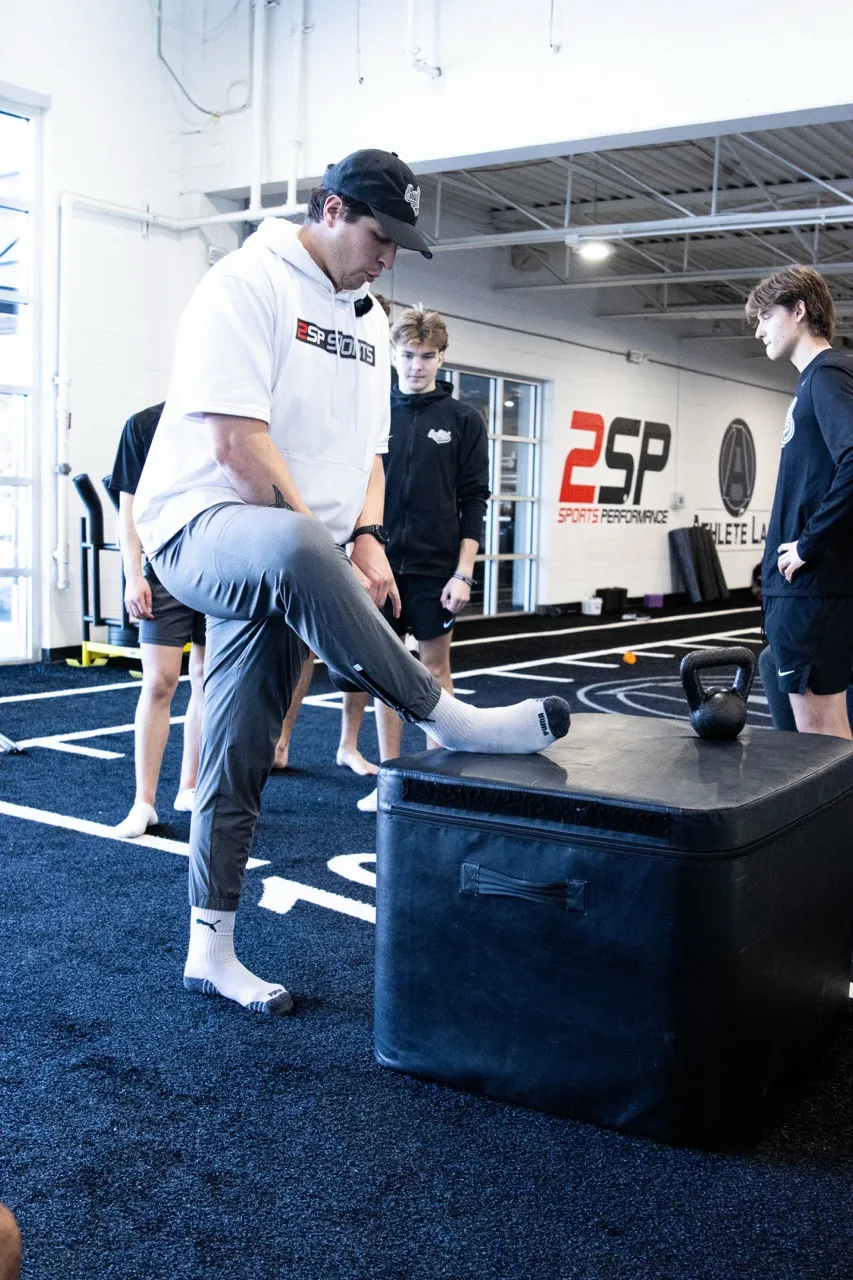
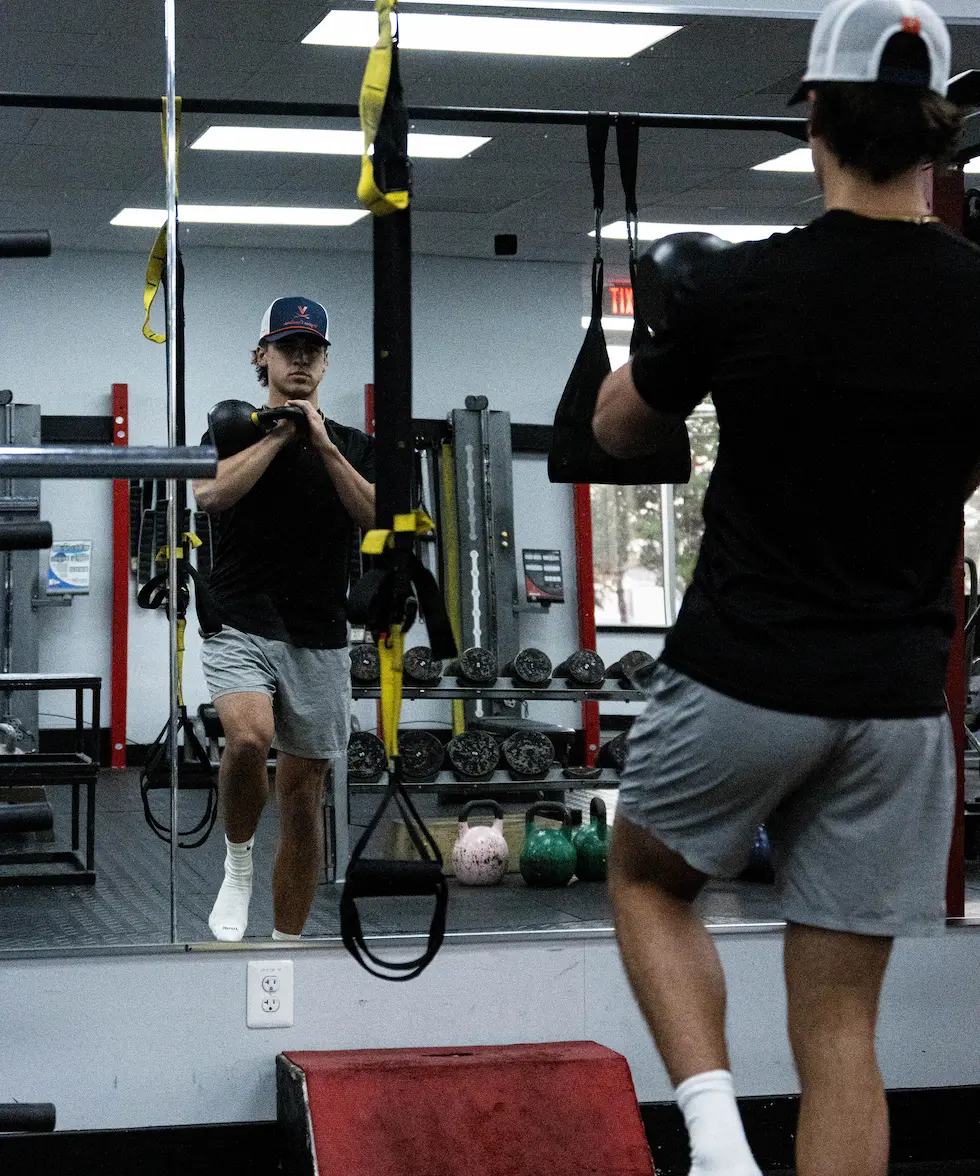
Young athletes should learn how to control their bodies before exercises become heavily loaded or complex. Training begins with clear instruction and age-appropriate progressions built around essential athletic movements.
- Squatting and hinging with good posture and control
- Pushing, pulling, carrying, and bracing
- Running, skipping, jumping, landing, and changing direction
- Single-leg balance and coordination
- Listening, following instructions, and working consistently
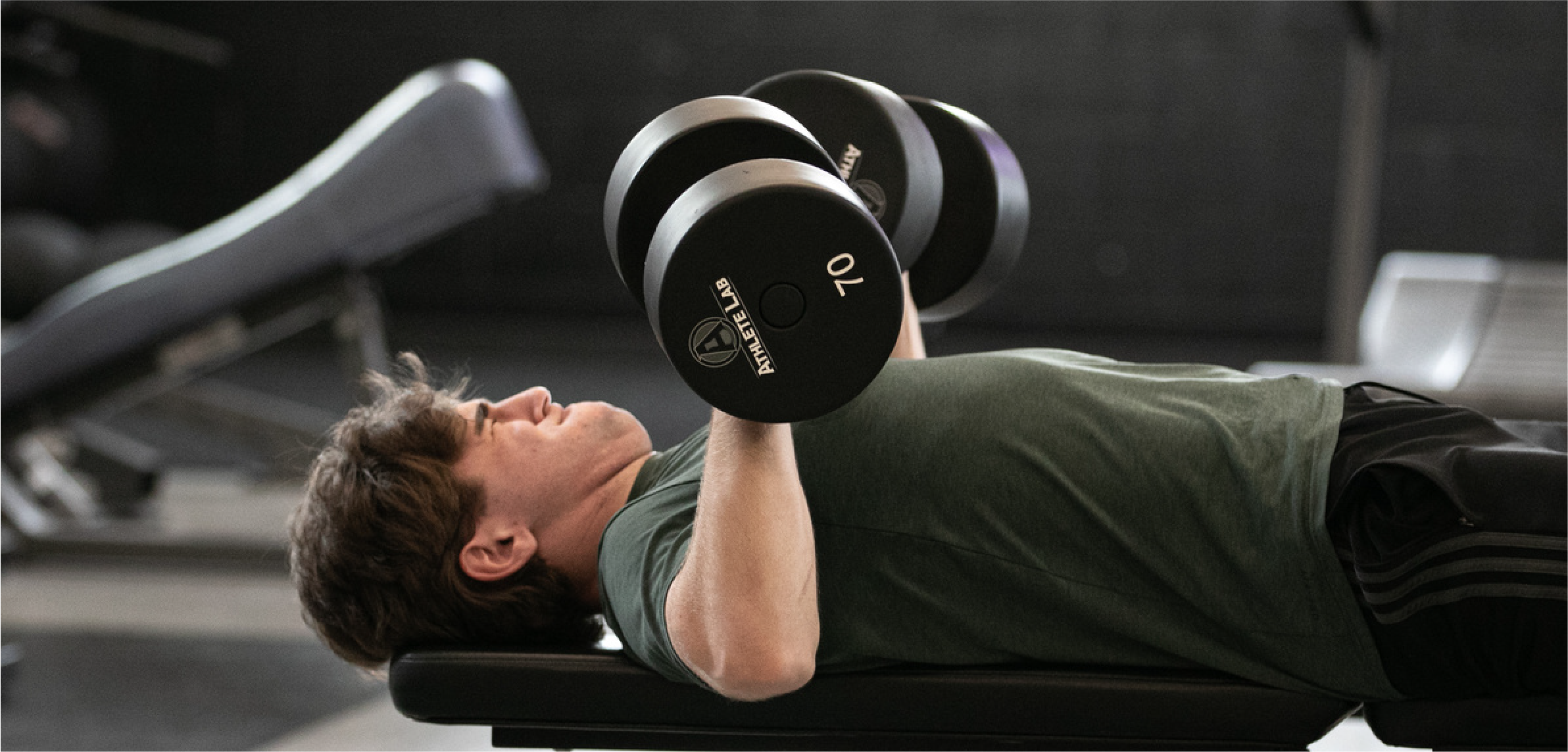
Bodyweight exercises, medicine balls, bands, light resistance, sleds, and other tools may all be appropriate when coaches match them to the athlete’s ability and readiness.
Why movement quality comes first
Developing athletes are constantly adapting to growth, new sport skills, and changing coordination. Teaching strong movement patterns gives them repeatable positions they can use in training and competition.
Movement quality does not mean every athlete must look identical. It means the athlete can control the exercise, understand the coaching cue, and complete the movement without relying on compensations that limit progress.
Strength helps young athletes handle sport demands
Even before formal training, youth sports expose athletes to sprinting, jumping, contact, throwing, and repeated changes of direction. Strength training prepares the body to manage those forces more effectively.
A stronger athlete may be better equipped to accelerate, stop, maintain balance, and absorb landing forces. Strength also gives coaches more options for developing speed and power as the athlete matures.
Confidence is a meaningful training outcome
Young athletes gain confidence when they learn a new skill, receive clear feedback, and see themselves improve. A structured training environment gives them achievable challenges and a way to measure progress beyond wins, losses, or playing time.
This confidence can carry into practice and competition. Athletes become more comfortable receiving coaching, working through difficult tasks, and taking ownership of their preparation.
Progression should be earned, not rushed
Good youth training programs do not progress athletes based only on age. Coaches consider movement competency, attention, consistency, and training experience. Some athletes may be ready for additional resistance, while others benefit from more time practicing the fundamentals.
At 2SP Foundations, athletes build movement quality and technical consistency before advancing to more demanding strength and performance work. That creates a smoother transition into long-term athlete development.
Youth training should support—not replace—sport
Sports practice teaches athletes the technical and tactical skills of the game. Performance training supports those skills by developing the physical qualities needed to express them.
The best schedule balances practices, games, training, school, sleep, and recovery. More activity is not automatically better. Coaches and parents should consider the athlete’s total workload, especially during busy competitive seasons.
What parents should ask a youth training program
Before enrolling an athlete, parents should understand how the program approaches coaching and progression. Helpful questions include:
- How are athletes assessed and placed into the right training level?
- How do coaches modify exercises for different abilities?
- What does progress look like beyond adding weight?
- How does training change during the athlete’s competitive season?
- How are technique and safety coached during group sessions?
Build a foundation for long-term development
Youth strength training should leave athletes more capable, confident, and prepared for what comes next. When the focus stays on movement, progressive strength, and consistent habits, training becomes an investment in long-term athletic development.
2SP offers youth and athlete development programs across multiple Michigan sports performance locations. Schedule a free assessment to find the right starting point for your athlete.